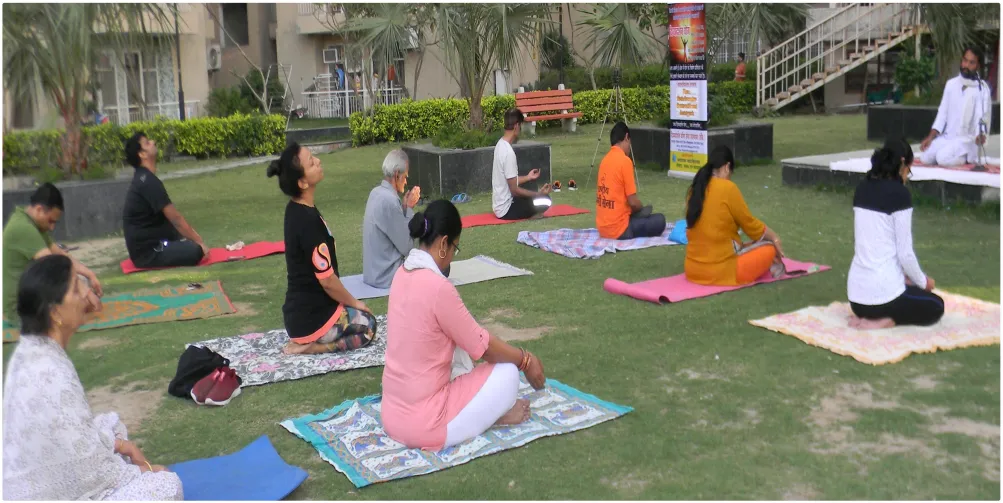
Common Yoga Practice
Pranayama is a yoga practice that focuses on breathing in a controlled and mindful way. By regulating the breath, pranayama helps improve physical health, clear the mind, and maintain emotional balance. In yoga, breath is considered very important because it connects the body and the mind.
The word pranayama comes from two parts. “Prana” means life energy, and “ayama” means to control or expand. Together, pranayama means controlling and expanding the life energy in the body through proper breathing.
Practicing pranayama regularly helps the lungs work better and increases the amount of oxygen in the body. It calms the nervous system and reduces stress, anxiety, and mental tiredness. Pranayama also improves focus and concentration, supports heart health, and helps digestion. It plays an important role in balancing hormones and improving metabolism.
There are different types of pranayama, each with its own benefits. In Anulom Vilom, breathing is done through alternate nostrils, which helps calm the mind and balance the nervous system. Bhastrika involves strong and fast breathing in and out, which increases energy and strengthens the lungs. Kapalbhati uses quick exhalation and natural inhalation to cleanse the body and improve digestion. Bhramari is practiced by slow breathing along with a gentle humming sound, which relaxes the mind and reduces tension. Ujjayi involves slow and deep breathing with slight control of the throat, helping improve focus and control over breathing.
Pranayama should be practiced on an empty stomach or after a gap following a light meal. It is best done while sitting in a comfortable position with the spine straight and shoulders relaxed. Breathing should usually be done through the nose. Regular practice brings the best results and helps maintain overall health and inner peace.